Service, Not Speed: How Newsrooms Are Building Subscription Products Around Readers' Recurring Questions

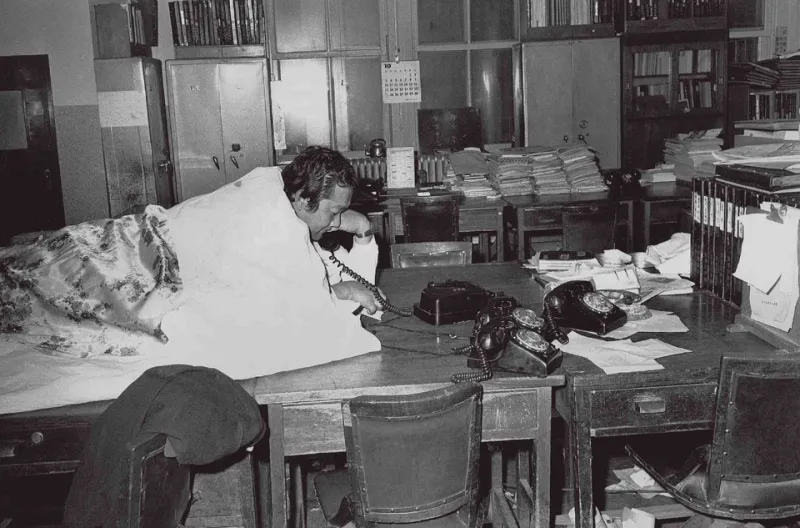
Photo: Embassy of the Philippines Bandar Seri Begawan, Brunei Darussalam, Public domain, via Wikimedia Commons
For years, service journalism lived at the edge of the newsroom: a sidebar explainer on rent rules, a seasonal guide to health insurance enrollment, a consumer column about disputed bills. Useful, certainly, but rarely central to the subscription strategy. In 2026, that calculus is changing. Newsrooms are discovering that the questions readers ask most often are not one-time news events. They are recurring needs, and recurring needs can support recurring revenue.
The shift is toward what might be called the answer desk economy. Instead of publishing a single FAQ and moving on, newsrooms are building maintained utilities: searchable question banks, subscriber-only checklists, local-rules trackers, benefits calendars, and plain-language guides that are updated when laws, prices, or deadlines change. The editorial logic is simple. Urgency spikes and fades. Utility persists.
Why Utility Outlasts Urgency
A breaking-news subscription pitch depends on the next breaking story. That can work for national and international outlets with constant demand, but it is harder for local and regional publishers. Readers may value a newsroom's accountability reporting without needing to visit every day. A service product gives them a reason to return when they have a problem, not only when the news cycle demands attention.
The strongest candidates are the questions that arrive in cycles: how to appeal a property tax assessment, how to enroll in a state benefits program, how to challenge a medical bill, how to understand a new zoning rule, how to file a consumer complaint, how to prepare for a lease renewal. These are not glamorous subjects. They are, however, the subjects that produce repeat usage and high perceived value. A reader who saves $400 by using a newsroom's guide has a concrete reason to renew.
Staffing the Desk
An answer desk is not a single reporter with a long to-do list. It requires a small operating team. The most effective setups include an editor who owns the question inventory, beat reporters who supply subject expertise, a product or audience specialist who designs the user experience, and legal review for guidance that touches on benefits, housing, health, or consumer law. Some newsrooms add a community engagement role to gather questions directly from readers rather than guessing at demand.
The workflow matters as much as the headcount. Questions should be collected from search logs, reader emails, social media comments, helpline calls, and live events. They should be tagged by topic, urgency, and recurrence. The team should decide which questions merit a maintained guide, which need a one-time answer, and which fall outside the newsroom's competence. Every published answer needs an owner, a review date, and a correction path. Freshness is part of accuracy.
Packaging the Product
Packaging is where many service efforts stall. A useful guide buried in the archive is a public service, but it is not a subscription product. Newsrooms are experimenting with subscriber-only utilities that package the same reporting in more actionable forms: calculators, checklists, document templates, deadline reminders, SMS alerts, email courses, and member office hours. The key is to preserve public access to accountability journalism while creating genuine utility for paying readers.
Some publishers are building local rulebooks that explain how a city or state process works, with plain-language steps and links to official forms. Others are creating benefits calendars that remind readers when enrollment windows open. Consumer desks are packaging dispute letters and complaint trackers. The common thread is not exclusivity for its own sake. It is convenience, maintenance, and confidence. Readers pay for the assurance that someone is keeping the answer current.
Measuring What Matters
Pageviews are a poor measure of an answer desk. A guide on rent stabilization may receive modest traffic but produce strong subscriber retention among the readers who use it. Newsrooms should track resolution rate, repeat use, save rate, renewal among users, email or SMS engagement, and the number of questions answered without escalation. They should also measure trust: whether readers report that they understood the answer, took action, or would recommend the resource.
Cohort analysis is useful. Compare subscribers who use the answer desk with those who do not, controlling for tenure and engagement. If the utility is doing its job, the users should renew at higher rates and contact customer service less often. Those outcomes are more meaningful than a spike in pageviews that disappears when the news cycle moves on.
The Editorial Risks
The answer desk economy carries real risks. Guidance can become outdated. A general explainer can be mistaken for individualized legal or medical advice. A local rule can change without warning. Newsrooms need clear disclaimers, expert review, and a visible update history. They should avoid promising outcomes they cannot guarantee and should route readers to official sources when the stakes are high.
There is also a risk of drifting into advocacy or customer service for institutions. The answer desk should remain journalism: independent, sourced, and accountable. Its value lies in explaining how systems work and where they fail, not in becoming an outsourced help line for government agencies or corporations. The reader's trust depends on that distinction.
The opportunity is substantial. In a media environment saturated with speed, utility offers something different: a reason to pay that does not depend on the next alert. Newsrooms that build answer desks with editorial discipline and product patience may find that the most durable subscription hook is not urgency at all. It is the answer to a question the reader will need again.